Free Seeds: 6 Real Sources, Plus the Mystery Seeds to Avoid
Free seeds are easy to find if you know where to look. See 6 real sources, a season-by-season plan, and why you should never plant mystery seeds.
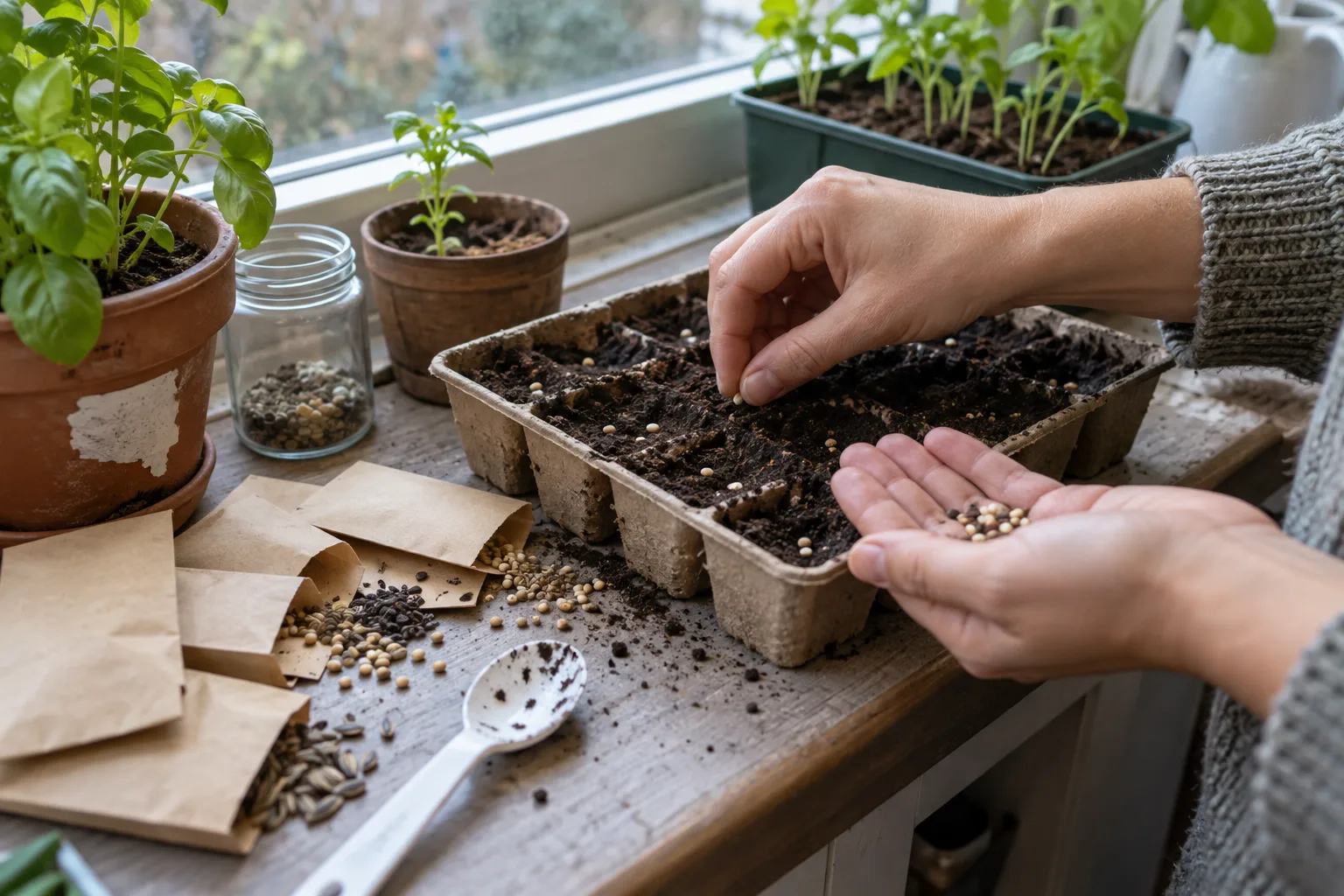
A packet of seeds costs a few dollars, give or take. Meanwhile, a neighbor's windowsill probably has fifty seedlings too many.
This guide shows where free seeds and plants really come from, when to ask for what, and which freebies to avoid. I haven't run these routes myself. I read each source's own pages on 14 October 2026, and several are specific to one town or state, so treat them as examples of what to look for near you.
Quick answer: Free seeds mostly come from public library seed libraries and local seed swaps, then neighbor groups and community gardens. Ask in winter for seeds and in spring for seedlings. Never plant seeds that arrive unrequested, because the USDA says to report them. Check local rules before you swap or mail plants.
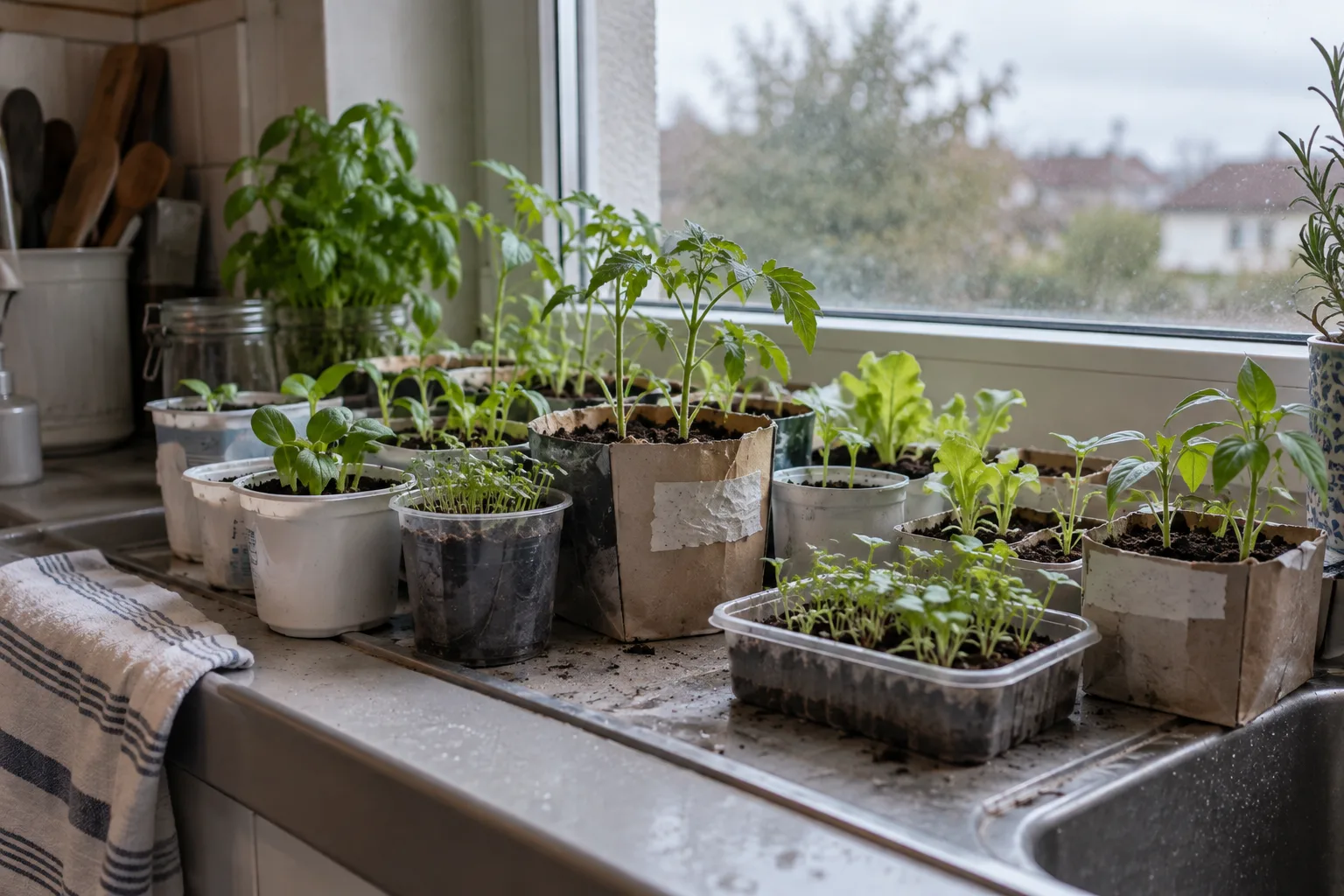
6 places to get free seeds and plants
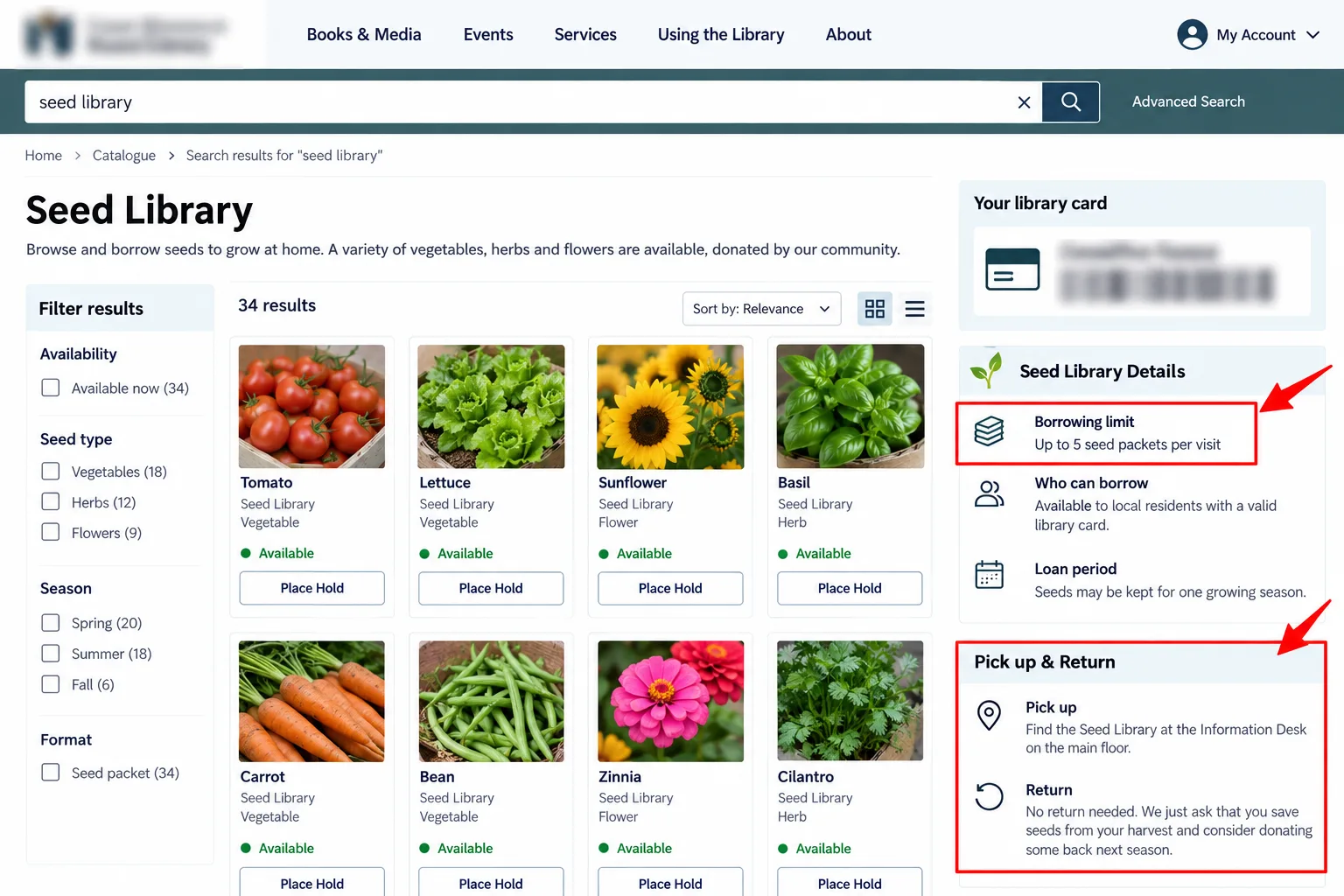
1. Library seed libraries
- Verdict: the strongest route for beginners, and where I'd start.
- What it is: a shelf or catalogue of seed packets you borrow like a book. A University of Minnesota Extension piece says seed libraries give out seeds for free, are often in public libraries and are often run by Master Gardener volunteers. It says some stock leftover seed from the previous season that companies can no longer sell.
- How to claim it: search your library's site for "seed library", or ask at the desk. One Texas city library's page says households can take up to three packets, and returning seed is encouraged but not required.
- The catch: stock depends on donations and the time of year, so check back often. Some libraries limit it to residents, and not every library accepts donated seed.
- Best for: first-time growers who want a few varieties without spending anything.
2. Seed swaps
- Verdict: free seeds, plus advice, if you can bring something back.
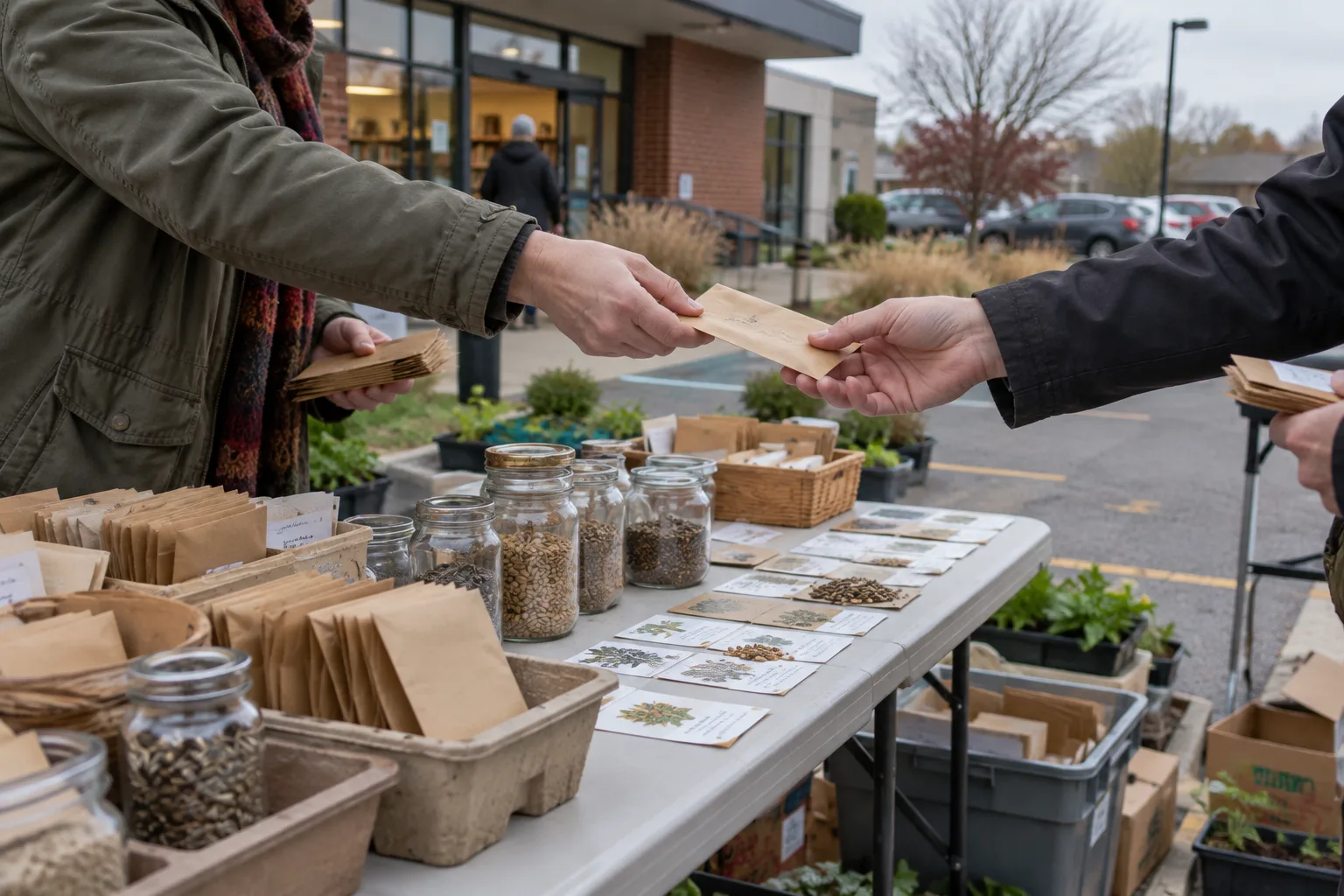
- What it is: a gathering where people share seeds. Seed Savers Exchange's guide to organizing a swap describes tables of seed, a take table and clear labels with the crop, variety, year collected and where it was grown.
- How to claim it: ask your library, garden club, extension office or community garden when the next swap is. I found no national directory I could verify. Bring spare seed if you have any.
- The catch: quality varies and a label can be wrong. The same guide suggests banning unknown seed from volunteer plants and patented varieties, and warns that a first swap often has more takers than givers.
- Best for: people who save seed or have extra packets from last year.
3. Neighbor groups
- Verdict: the best route for seedlings, if your group is active.
- What it is: a local gift community. Gardeners post spare seedlings, divisions and cuttings. Our buy nothing group guide covers how to join and word an ask.
- How to claim it: post a specific ask in spring, such as "two tomato seedlings, any variety", and offer a pickup window.
- The catch: plants can carry pests. Illinois Extension says to accept plants only from gardeners who have checked for jumping worms and to wash soil off the roots. Results also depend on how active your local group is.
- Best for: people who want ready-grown plants rather than seed.
4. Community gardens
- Verdict: a place to grow and a network of people with spare plants, not a seed handout.
- What it is: shared plots run by a local leader. NC Cooperative Extension's guide for Guilford County says to fill out an interest form and wait to be contacted, since waiting lists are common.
- How to claim it: find the garden list on your county extension site, join the waiting list and ask the leader about fees and forms. Ask whether the garden shares seed or seedlings. I couldn't verify that most do.
- The catch: the page gives no fee amounts, and gardeners are expected to help with shared areas and workdays.
- Best for: people with no yard who want space and neighbors who garden.
5. Regional extension programs
- Verdict: free seed at scale, but only in some places and mostly for groups.
- What it is: the University of Rhode Island's Free Seed Program gives seed to Rhode Island community organizations such as schools, community gardens and garden clubs. The seeds are Burpee packets.
- How to claim it: a group submits an order form in a short window, generally mid-January. Individuals can get seeds at most Rhode Island libraries.
- The catch: it's for Rhode Island organizations only, mailing costs a shipping and handling fee, and reselling packets is banned. I only verified this one program, so ask your own county extension office whether yours has something similar.
- Best for: garden clubs, schools and food pantries in Rhode Island, and anyone who wants a model to copy.
6. Free seeds by mail
- Verdict: the one to be careful with. Only take seeds you asked for, from a source you know.
- What it is: a seed company or group posting you seed. I couldn't find a reliable ongoing national free-seed mailing program. See our guide to free samples by mail for real mail-order freebies, and the fake free offers checklist for the traps.
- How to claim it: request seeds from a company or program you recognize, and read the terms on shipping fees.
- The catch: USDA's APHIS says to not plant unrequested seeds, and to report them to your State Plant Health Director. Keep the seeds and packaging, and APHIS says to seal them in a bag and freeze them until officials contact you.
- Best for: people who already trust a seed company and want something extra.
When should you ask for what?
Seed sources run on a calendar. This is my plan, built on the programs above, and your dates will vary:
- Autumn (now): join a community garden waiting list, since lists are common. Let a few of your own plants go to seed. If you take from a library seed library, bring some back, which one library encourages.
- Winter: check library seed libraries and swap dates. Organization orders can open early in the year, and the Rhode Island program's window is generally mid-January.
- Late winter to spring: start seeds indoors. An Illinois Extension guide says the packet gives a timing such as 4 to 6 weeks before your average last frost date. Find your local date through your extension office.
- Spring: ask neighbors for seedlings. USDA suggests keeping new plants apart from your others for a couple of weeks and watching for pests.
- Summer: ask for divisions and cuttings, and note which plants did well so you can save seed.
What should you watch out for?
- Mystery seeds. Unrequested seeds can carry pests or diseases that could harm farms and natural areas, even if they're harmless to people. APHIS says do not plant them.
- Invasive and pest-carrying plants. Ask what a plant is, and look it up in your state's invasive plant list before you accept it. Soil can carry jumping worm eggs and weed seeds, so wash roots or repot in clean soil.
- Shipping and local rules. APHIS says many imported seeds need a permit and a certificate, and some are banned outright. I couldn't find one national rule for posting seeds between states, so check your state department of agriculture before you mail plants.
- Patented varieties. Seed Savers' guide says it is illegal to distribute them, so skip them at a swap.
The catch: free seed isn't always the best seed. Packets can be mislabeled, old or wrong for your climate, so ask your county extension office what grows well near you.
My take and next step
Free seeds are everywhere once you stop searching for "free" and start asking librarians, gardeners and neighbors. My pick: a library seed library in winter, a seedling ask in spring and a swap if you have spares. Skip this if: a seed offer arrived in your mailbox unasked. Don't plant it, and report it.
Next step: search your library's site for "seed library" and put your name on a community garden list this week. More ideas for sample programs are in our guide to free sample boxes and the Free Samples & Products hub.
Last checked: 14 October 2026, against the USDA APHIS, Seed Savers Exchange, Round Rock library, University of Minnesota Extension, URI, Illinois Extension and NC Extension pages named above. Programs, dates and rules change, so confirm them with each source.
Frequently asked questions
Are free seeds organic or non-GMO?
Not by default. The Rhode Island program's page says Burpee states it doesn't sell genetically modified seed, but that covers one supplier. Seeds from swaps and libraries vary, so read the packet or label, and ask the person who donated it.
Do I need a library card for a seed library?
It depends on the library. The Round Rock page says no card is needed, though it asks for residency and the wording on age is a little unclear. Check your own library's page or ask at the desk.
What if I already planted mystery seeds?
APHIS says to report them anyway so experts can advise on next steps. Contact your State Plant Health Director or your state department of agriculture, and follow their instructions on what to do with the plants.
Quiz
Free Seeds: Grow a Garden for Less
10 quick questions — think you know this one?
Test Your Knowledge →Comments (6)

Rad Rubchak
Oct 6, 2026
The author did a great job making this topic understandable.

Rose-Marie Altmeyer
Sep 24, 2026
This article was both interesting and informative.

Tejas Bansal
Sep 17, 2026
Thanks to the writer for putting this together.

Liam Ginnish
Sep 14, 2026
A useful article that gets right to the point. 👍

Ružica Ivić
Sep 12, 2026
Great read, and I look forward to more content from Perktonic.

Mike Wijntjes
Sep 7, 2026
This was worth my time. Great read!