How to Become a Product Tester: What Brands Really Look For
Learn how to become a product tester: what panels look for, how selection works, what you can really earn or receive, and how to dodge pay-to-join scams.
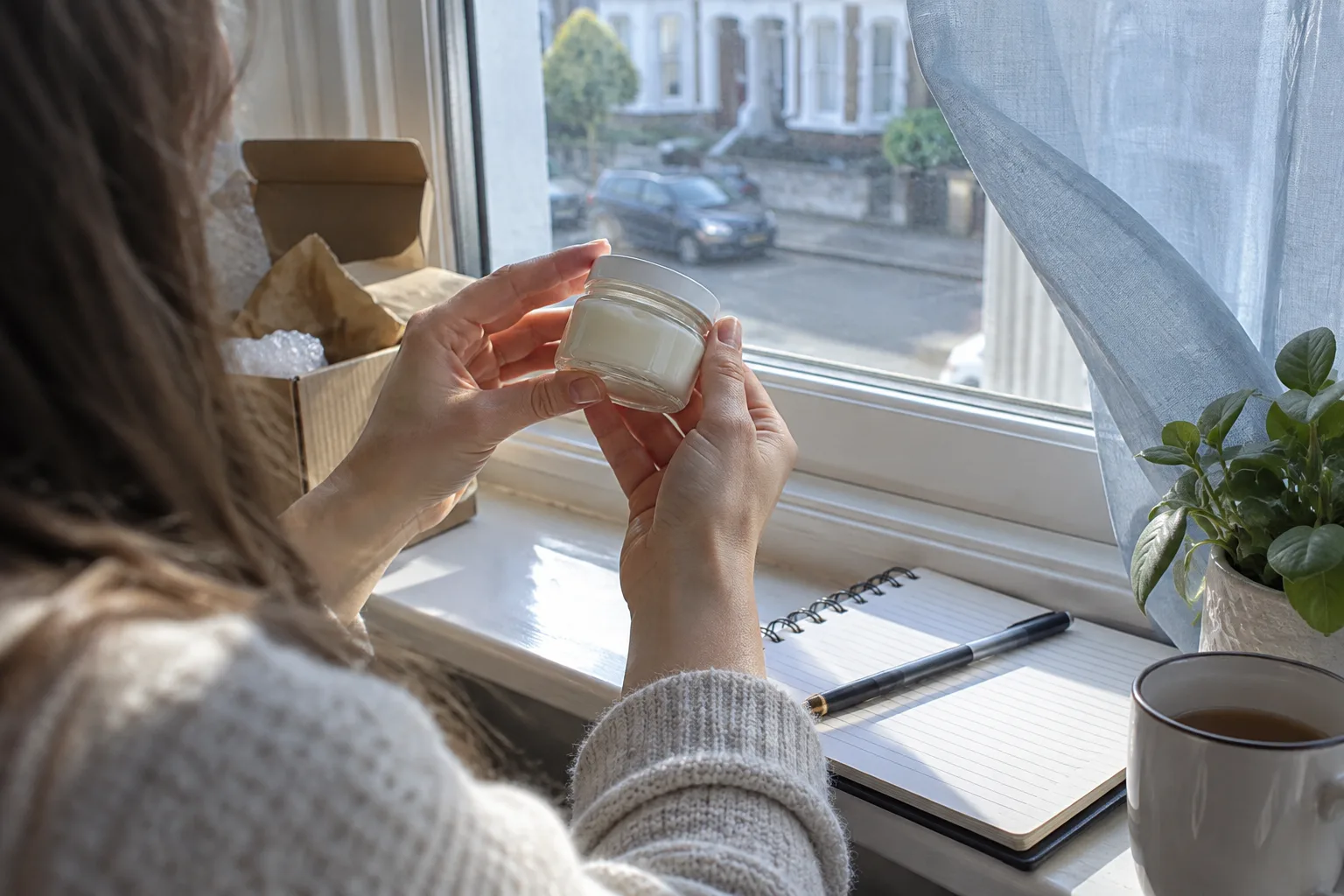
The fantasy goes like this: boxes of free stuff arrive every week, you try them on the sofa, and someone pays you for your opinion. The grown-up version is less glamorous. It's mostly free products in exchange for honest feedback, a few small payments for testing apps and websites, and a lot of waiting.
This guide shows how to become a product tester without paying anyone, what panels actually look for, and what you can realistically receive or earn. I used the programs' own rules and the FTC's job-scam guidance, not round-ups.
Quick answer: To become a product tester, join two or three free testing programs, fill in every profile question honestly, answer invites quickly and finish each review you accept. Most pay in free products, not cash. Paid testing is real but mostly for websites and apps, and no legitimate program charges you to join.

What does it take to become a product tester?
Time: about half an hour to set up two or three profiles, then a few minutes a week watching for invites. Every product you accept adds the time to use it and write it up.
You'll need: a real mailing address, an inbox you check and honest answers about your habits. For paid app and website tests you'll also need a device with a microphone and a PayPal account, according to UserTesting's application page.
The catch: nothing is guaranteed. Programs choose from many applicants, and a profile that fits is a chance, not a promise.
What do brands really look for in a product tester?
Mostly a match and a track record. Programs want people who'd genuinely use the product, and who'll finish what they start.
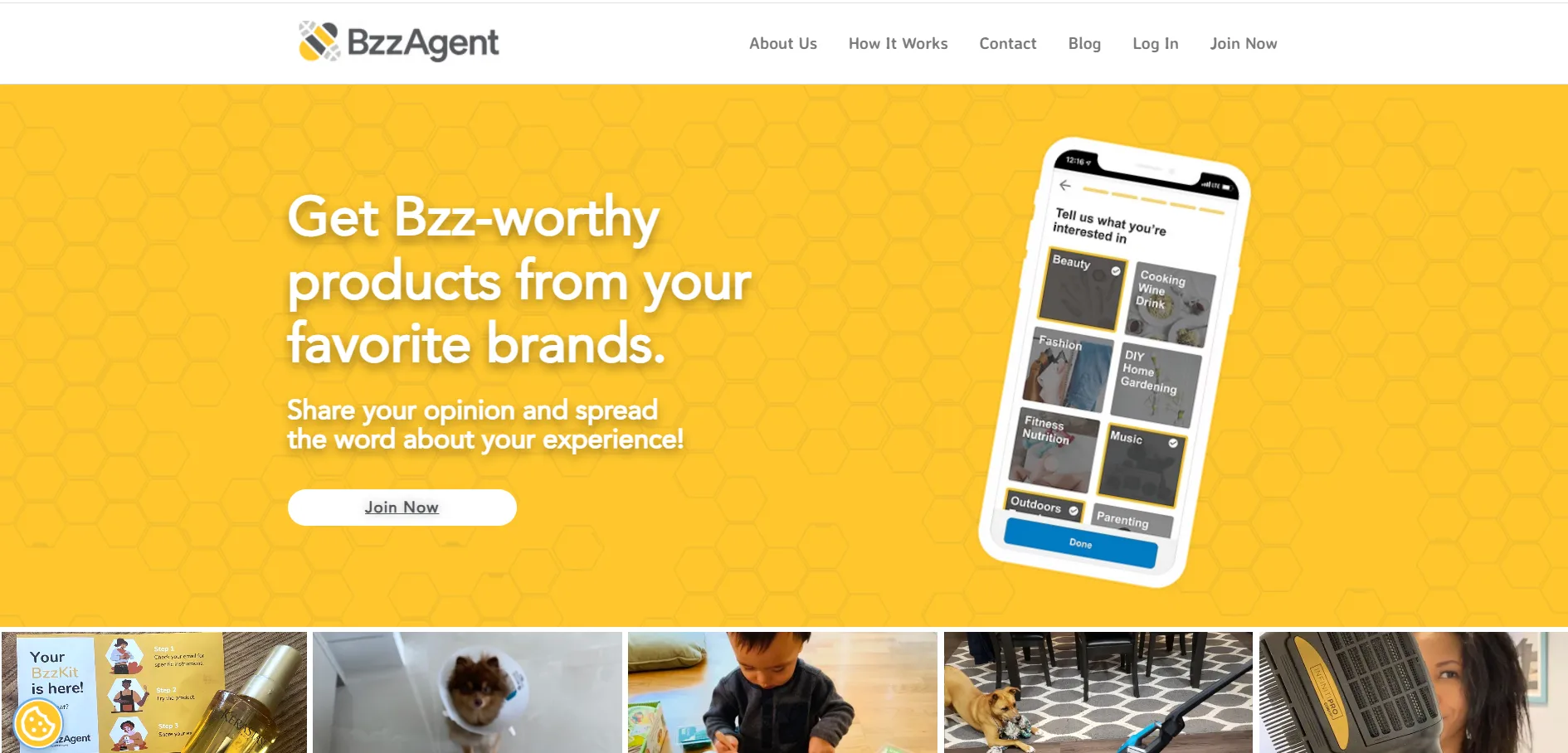
A complete, consistent profile. BzzAgent says it invites people using their profile data, survey answers and location, and that fuller profiles are more likely to be invited.
A fit with the product. A pet product goes to pet owners, a regional offer to people in that region. Applying to everything doesn't help.
Follow-through. BzzAgent says members who skip the required activities aren't invited to later campaigns, and PINCHme's terms ask for a feedback survey within 30 days of receiving a sample.
Useful reviews. BzzAgent's own test is "what would I want to know before buying this?", ideally with a quality photo.
Openness about the free product. Programs expect you to say so when you post.
Free product testing or paid testing: what do you actually get?
This is where most guides blur things. They're different jobs with different rewards.
Free-product programs
What you get: products to keep, rarely cash.
How it works: you're matched or invited, you try the item and you review it. Our guide on how to get free products to review covers selection and disclosure in detail.
The catch: invites aren't guaranteed, and Influenster says matching can take time and improves as you stay active.
Paid digital testing
What you get: money, but for talking through websites, apps and prototypes rather than trying physical products.
How it works: at the time of writing, UserTesting says the application takes about 15 to 20 minutes including a practice test, that you'll hear back within a few days, and that payment goes through PayPal. A fuller profile qualifies you for more tests.
The catch: check its FAQ for current pay rates before you plan around it. Treat it as spare-time income, not a salary.
Mystery shopping
What you get: usually reimbursement for what you buy, and sometimes a small fee.
The catch: the FTC says these jobs are typically part-time and don't usually pay enough to replace a full-time job.
Brand ambassador roles
What you get: varies by brand, from free product to other perks, in return for talking about it publicly.
The catch: you're expected to post and to say you got it free. See why companies give away free samples to understand what they want back.
Choose free-product programs if you want things to try. Choose paid digital testing if you want a bit of cash and don't mind talking through an app. Choose mystery shopping only if you're comfortable fronting the cost and waiting to be reimbursed.
How to become a product tester, step by step
Decide what you want. Products, cash or both. That decides which programs are worth your evenings.
Join two or three programs from their official sites. Type the address yourself rather than following an ad.
Fill in every profile question, truthfully. Answers drive who gets invited, so a thin or inconsistent profile costs you.
Build a track record. Influenster asks you to review products you've already used. A few honest ones give matching something to work with.
Answer invites fast, and only for things you'd use. BzzAgent says campaigns can fill within hours or days, and no invite within three or four days usually means it wasn't for you.
Test properly, then write something specific. Say how long you used it, what worked, what annoyed you, and that it was free.
Finish every task on time. Reliability keeps you in line for the next one.
How do you spot a pay-to-join product tester scam?
Simple rule: you should never pay to become a tester. The FTC's job scams guidance says honest employers never ask you to pay for the promise of a job, and that anyone who does is a scammer. Walk away if you see any of these:
A fee for a "certification", a directory of companies or a guaranteed spot.
A starter kit or training course you must buy first.
A cheque to deposit, with a request to send some of the money back. That's the fake-check scam.
"Receive and reship packages" as a job. The FTC says reshipping goods is never a real job.
Big income promises such as thousands a month for little effort. The FTC calls that almost certainly a scam.
Our guide to fake free offers shows how to run a 30-second check on any offer.
What are the common mistakes?
Joining ten programs at once. You'll lose track of deadlines and miss the ones that matter.
Making up answers to look like a better fit. Mismatched answers get you products you can't use and reviews you can't write honestly.
Opening duplicate accounts. BzzAgent and PINCHme both ban them.
Ignoring the review. The product is the payment, and the review is the invoice.
Hiding the free product. It's a rule at the programs and a legal issue with the FTC.
What if you aren't picked?
No invite: normal. BzzAgent says that if you don't get a confirmation email, you weren't chosen for that campaign, so wait for the next one.
Rejected for paid testing: review your profile and microphone setup, then check the program's own rules before reapplying.
A "test" asks you to pay or deposit a cheque: stop and report it to the FTC at ReportFraud.ftc.gov.
You've waited weeks: keep your profile current. Delivery for BzzAgent samples is quoted at one to five weeks after selection, and nothing is promised on timing elsewhere.
My take and next step
If you want to know how to become a product tester, treat it as a trade, not a career. You give attention and honest feedback, and in return you get products, and sometimes a small payment.
My pick: start with two free programs, and add paid digital testing if you want actual cash and don't mind talking through an app. Skip this if you want guaranteed income. For more places to start, see our free samples and products hub.
Program pages and FTC guidance checked on October 11, 2026. Eligibility, pay and availability change often, so confirm on each official page before you apply.
Frequently asked questions
Can you make a living as a product tester?
Not realistically. Most programs pay in products, paid digital testing is spare-time income, and the FTC says mystery shopping typically doesn't replace a full-time job. Treat anything promising a salary for trying products as a warning sign.
Do I need a big following to be picked?
No. BzzAgent's published criteria are your profile, your survey answers and where you live, not follower counts. A complete, honest profile and a record of finishing tasks usually matters more than audience size.
What's the difference between a product tester and a brand ambassador?
A tester gives feedback on a product, often privately or through a review. An ambassador promotes a brand publicly to an audience. Programs vary, but in both cases you should say the product was free and never pay to join.
How long does it take to get picked?
It varies. UserTesting says it replies to applications within a few days, but free-product programs set no schedule. BzzAgent quotes one to five weeks for a sample after you're selected, and invites themselves can take longer.
Quiz
Can You Become a Product Tester?
10 quick questions — think you know this one?
Test Your Knowledge →Comments (5)

Petra Hartviksen
Oct 8, 2026
Nice article with some useful points to think about.

Ikram Folkersma
Oct 7, 2026
I’ll be recommending this website to my friends.

Leif Kammer
Oct 7, 2026
I enjoyed this post and learned something along the way.

Daniela Herrero
Oct 7, 2026
Great information presented in a simple way.

Inmaculada Lozano
Oct 5, 2026
I’ll be sharing this website with friends who might find it useful.